




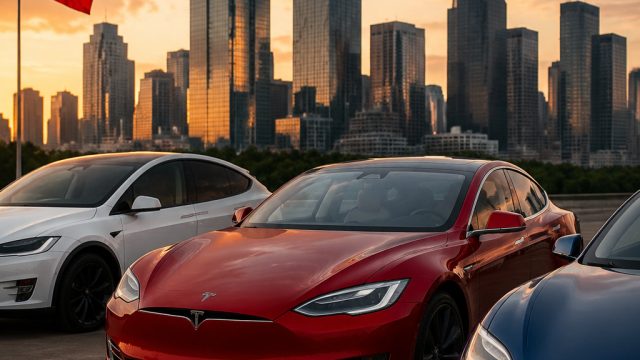
The race for consumer loyalty in the automotive sector is heating up, with Tesla claiming the top two positions in the recently released 2026 American-Made Index. As buyers increasingly prioritize locally produced vehicles, Tesla's commitment to domestic manufacturing has positioned it favorably against its competitors. This article explores Tesla's remarkable achievement and its implications for both consumers and the auto industry.
The Significance of the American-Made Index
The American-Made Index is a crucial metric that evaluates vehicles based on their domestic parts content and assembly location. For consumers, this index is more than just numbers; it's a reflection of their values and priorities. Buying American-made products supports local economies and job growth. As the auto industry evolves, understanding the significance of this index becomes essential for informed purchasing decisions.
Consumer Trends Shift Towards Local Production
In recent years, there has been a marked shift in consumer preferences towards vehicles that champion domestic manufacturing. Factors contributing to this trend include:
- Economic Considerations: Many consumers are motivated by the desire to support the local economy, leading to increased interest in American-made products.
- Brand Loyalty: Tesla has cultivated a strong brand that resonates with customers seeking innovation and sustainability.
- Environmental Awareness: As more consumers prioritize environmentally friendly options, Tesla's electric vehicles stand out as a compelling choice.
Tesla's Production Strategy
Tesla's manufacturing strategy sets it apart in the automotive arena. The company has built a robust supply chain that not only ensures quality but also supports local job creation. Key elements of Tesla's approach include:
1. Localized Supply Chains
By sourcing materials and parts from domestic suppliers, Tesla reduces its carbon footprint and minimizes delays associated with international shipping. This strategy enhances production efficiency and aligns with consumers' preference for American-made vehicles.
2. Advanced Manufacturing Techniques
Tesla employs cutting-edge manufacturing technologies, allowing for enhanced quality control. Innovations like automation and robotics not only improve productivity but also ensure that each vehicle meets the high standards consumers expect.
3. Commitment to Sustainability
Consumers today are more environmentally conscious than ever. Tesla's focus on electric vehicles and renewable energy solutions appeals to this demographic, reinforcing its position at the top of the American-Made Index.
Implications for the Automotive Industry
Tesla's dominance in the American-Made Index signifies a larger trend that could reshape the automotive landscape. Automotive manufacturers looking to thrive must adapt to these changing consumer preferences. Some potential implications include:
1. Increased Competition
As consumers demand more vehicles with a local production focus, traditional automakers may need to reconsider their manufacturing strategies. This could lead to heightened competition, pushing brands to innovate and improve their value propositions.
2. Enhanced Focus on Sustainability
Manufacturers that prioritize sustainability and reduce their environmental impact will likely attract more consumers. As electric vehicles become more mainstream, traditional gas-powered vehicles may face declining sales.
3. Economic Impact
The push for American-made vehicles may also have broader economic implications. Increased demand for domestic products can stimulate local economies and create jobs, leading to a healthier overall market.
Conclusion: What's Next for Consumers and the Industry?
Tesla's prominent position in the 2026 American-Made Index is a clear indication of shifting consumer priorities towards supporting local production. For buyers, this shift underscores the importance of making informed decisions that align with personal values. As the automotive industry evolves in response to these preferences, consumers can expect to see an increase in innovation, sustainability efforts, and overall quality in vehicles.
As you navigate your car-buying journey, consider the impact of your choices on the economy and the environment, and explore the options that best align with your values.
