




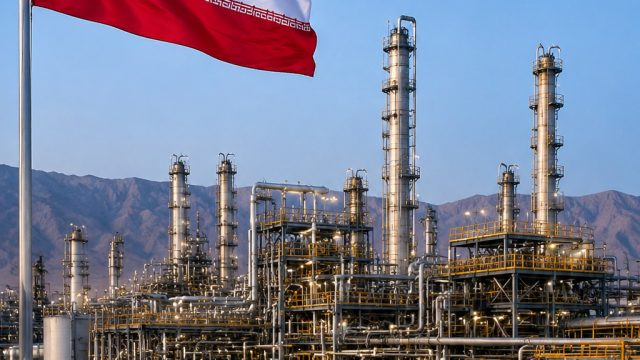
As the geopolitical landscape continues to shift, the importance of the Iran nuclear agreement cannot be overstated. Amid rising tensions and volatile oil prices, understanding the implications of this landmark agreement is essential for businesses and investors alike. With global energy markets in the balance, the discussions surrounding the Iran deal now take on new stakes.
The Historical Context of the Iran Nuclear Agreement
Established to curb Iran's nuclear ambitions, the agreement, also known as the Joint Comprehensive Plan of Action (JCPOA), created a framework for monitoring Iran's nuclear activities in exchange for the easing of international sanctions. This agreement marked a significant step towards stabilizing not just Iran but the broader Middle East.
Current Oil Market Dynamics
As of now, the global oil market is experiencing unprecedented fluctuations. Factors like geopolitical unrest, changes in production levels, and the ongoing recovery from the pandemic are all contributing to this instability. In this context, the Iran agreement plays a crucial role in ensuring a steady flow of oil.
Impact on Oil Prices
- The Iran deal's sanctions relief allowed for increased Iranian oil exports, which helped stabilize global oil prices.
- Current tensions, including potential military conflicts, could lead to price surges, adversely affecting global economies.
- A fragile oil supply chain may lead to volatility that could impact various industries, including shipping, manufacturing, and energy.
Geopolitical Considerations
Maintaining the Iran agreement is not just about nuclear non-proliferation; it is also about regional stability. A collapse of the agreement could trigger a series of consequences:
- Increased military conflicts in the Middle East, leading to further oil supply disruptions.
- Rising tensions between Iran and its regional adversaries could ignite broader conflicts.
- Heightened tensions could deter foreign investments in the region, stunting economic growth.
The Economic Stakes for the United States
The U.S. economy is intricately linked to global oil markets. A stable oil supply is essential for economic growth, particularly as industries recover post-pandemic. The Biden administration's energy policy has largely focused on both renewable energy and maintaining existing relationships that ensure stability in oil production.
The Path Forward
As discussions surrounding the Iran agreement continue, stakeholders must consider the broader implications for global oil markets:
- Engagement with Iran could lead to renewed economic opportunities, not just for the U.S. but for Europe and Asia as well.
- Strengthening the agreement could enhance diplomatic relations, potentially leading to further dialogues on regional security.
- Investment in alternative energy sources remains crucial, but the current reliance on oil necessitates a balanced approach.
Conclusion: The Need for Strategic Diplomacy
In conclusion, the Iran nuclear agreement is more than a diplomatic achievement; it is vital for the stability of global oil markets and, consequently, the world economy. As businesses and investors navigate the complexities of today’s geopolitical climate, understanding the stakes involved with the Iran deal will be essential for strategic planning. The time is now for renewed commitment to diplomatic engagement and ensuring that both economic and security interests are aligned.
