




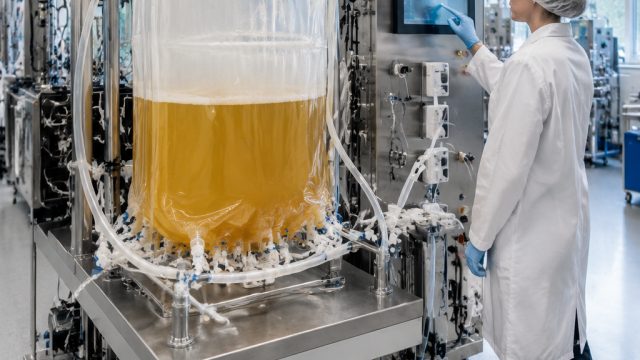
The Future of Bioprocessing: Single-Use Bioreactors Take Center Stage
The biopharmaceutical sector is on the brink of a major revolution, fueled by the growing demand for rapid, adaptable, and cost-efficient production methods. At the heart of this evolution lies the rise of single-use bioreactors (SUBs), which are proving to be vital components in modern bioprocessing. This article delves into the significance of SUBs in the biopharmaceutical landscape and why their importance cannot be overstated at this juncture.
Understanding the Shift Towards Single-Use Bioprocessing
Traditionally, biopharmaceutical manufacturing relied heavily on reusable bioreactors, which, while effective, often presented challenges such as high operational costs and lengthy turnaround times. As the industry faces increasing pressure to accelerate product development, the flexibility and efficiency offered by single-use solutions have made them increasingly attractive.
Key Advantages of Single-Use Bioreactors
- Cost Efficiency: SUBs significantly reduce the costs associated with cleaning, sterilization, and validation of equipment.
- Faster Turnaround: With minimal setup time, SUBs allow manufacturers to pivot quickly between different products, responding to market demands.
- Reduced Contamination Risk: Single-use systems lower the likelihood of cross-contamination, ensuring product integrity and safety.
- Scalability: These bioreactors can be easily scaled up or down depending on production needs, providing unmatched operational flexibility.
Current Trends in the Single-Use Bioreactor Market
The single-use bioreactor market is witnessing rapid growth, driven by several factors including technological advancements and increasing investments in biopharmaceutical research and development. Companies are increasingly adopting SUBs not just for their immediate operational benefits, but also for their long-term sustainability goals.
Technological Innovations Driving Market Growth
Several innovations are propelling the single-use bioreactor industry forward:
- Integration of Smart Technologies: The incorporation of IoT and AI into SUBs enhances monitoring capabilities, enabling better process control.
- Advanced Materials: New materials that resist extreme conditions and improve bioreactor performance are being developed, further pushing the boundaries of what's possible.
- Modular Designs: These designs facilitate the customization of systems to meet specific production requirements, enhancing operational efficiency.
The Global Perspective on Single-Use Bioreactor Adoption
Regions around the world are rapidly embracing single-use bioreactors, with North America leading the charge. However, Europe and Asia-Pacific are not far behind, as they recognize the importance of flexible bioprocessing solutions in their own biopharmaceutical markets.
Regional Growth Insights
- North America: Home to numerous biopharmaceutical companies, this region is experiencing substantial investments in SUB technologies.
- Europe: Regulatory support and a strong emphasis on innovation are driving growth in the European single-use bioreactor market.
- Asia-Pacific: With increasing healthcare demands and investments in biotechnology, the region is emerging as a key player in the global market.
Preparing for the Future of Bioprocessing
As the demand for biopharmaceuticals continues to rise, the importance of innovative solutions like single-use bioreactors cannot be overstated. Companies that invest in these technologies will not only enhance their operational efficiency but also position themselves as leaders in the ever-evolving biopharmaceutical landscape.
Conclusion
In today's dynamic biopharmaceutical environment, single-use bioreactors represent more than just a trend; they signify a crucial shift towards more sustainable, flexible, and cost-effective manufacturing processes. Organizations that harness the power of these innovative technologies stand to gain a significant competitive advantage, addressing both current challenges and future opportunities in bioprocessing. As we navigate this transformative era, it is clear that the future of bioprocessing will be shaped by the widespread adoption of single-use bioreactors.
