




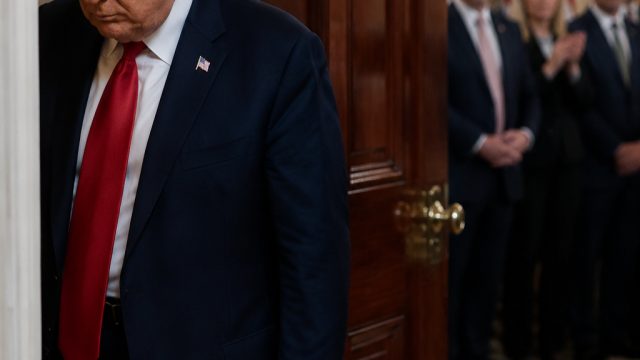
In a surprising turn of events, President Donald Trump has abruptly canceled his appearance for the signing ceremony of a significant bipartisan housing bill intended to enhance housing affordability across the nation. The announcement came just an hour before the President was scheduled to arrive at the Capitol for the event, raising eyebrows and questions about the underlying political dynamics at play.
The Significance of the Housing Bill
This bipartisan legislation was designed to address the ongoing challenges of housing affordability, a pressing issue that affects millions of Americans. By facilitating the development of affordable housing and providing support for first-time homebuyers, the bill aimed to create a pathway to homeownership for those who have struggled in the current economic climate.
Political Implications
The cancellation of the signing ceremony does not merely signal a shift in plans but highlights a fractious relationship between the President and Senate Republicans. As Trump prepares for further discussions with GOP senators, the absence of this key event reflects a broader tension within the party, particularly concerning legislative priorities and the approach to the housing crisis.
What Led to the Cancellation?
While the official reasoning for the cancellation has not been publicly disclosed, speculation abounds regarding the motivations behind this decision. With midterm elections looming and internal GOP disagreements intensifying, Trump's move could be seen as a strategic retreat to reassess his political stance.
Impact on Housing Affordability
The failure to sign this housing bill could have immediate repercussions for housing markets nationwide. Here are some potential impacts:
- Stalled Development Projects: Many developers were counting on the incentives outlined in the legislation to launch new affordable housing projects.
- Increased Market Prices: Without federal support, the prices for existing homes may continue to escalate, making it even more challenging for low-income families to secure housing.
- Loss of Public Trust: Voters frustrated with the lack of progress on housing issues may become disillusioned with the political process, affecting turnout in upcoming elections.
The Road Ahead
As the political landscape continues to evolve, it remains uncertain what steps will be taken next. Will Trump and his administration return to the table to negotiate a revised version of the bill, or will this cancellation serve as a broader indicator of a stalled legislative agenda on key issues affecting the American public?
Potential Alternatives and Solutions
In light of this recent development, several alternative approaches could be considered to tackle the housing affordability crisis:
- Increased State-Level Initiatives: States may need to step up with their initiatives to address housing issues independently of federal support.
- Public-Private Partnerships: Encouraging collaborations between the government and private developers could yield innovative solutions to create more affordable housing options.
- Community Engagement: Involving local communities in the decision-making process may lead to more effective and targeted solutions that address specific local needs.
Conclusion: A Defining Moment for Housing Policy
Trump's cancellation of the housing bill signing ceremony marks a critical moment for housing policy in the United States. As the nation grapples with escalating housing costs and a lack of affordable options, the outcome of this situation could define not only the future of housing legislation but also the political landscape as we head towards the midterm elections. Stakeholders across the board, from lawmakers to potential homeowners, will be watching closely as this story unfolds.
