




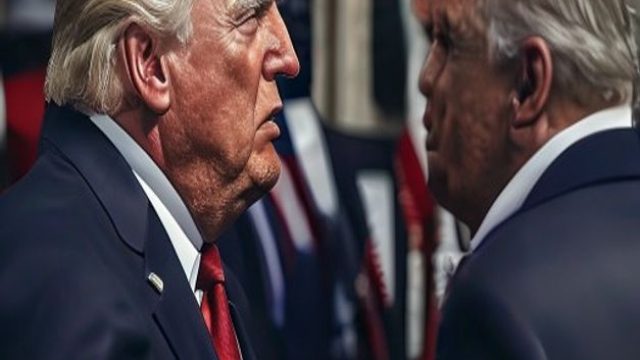
The Clash: Trump and Senate Republicans
In a recent closed-door meeting, tensions escalated between former President Donald Trump and several Senate Republicans over the issue of Iran and the control of presidential war powers. As the U.S. navigates complex international relations, this confrontation raises important questions about bipartisan support and national security.
Understanding the Context
At the heart of this conflict is the ongoing debate regarding the extent of presidential authority in military engagements. Trump expressed frustration towards senators who supported initiatives aimed at limiting his powers, particularly concerning military action in Iran. This meeting underscored the growing division within the Republican Party regarding foreign policy strategies, especially as tensions flare in the Middle East.
The Role of Individual Senators
One of the notable figures in this exchange was Senator Bill Cassidy from Louisiana. His concerns reflected the apprehensions of many lawmakers who fear that unchecked presidential power could lead the U.S. into unnecessary conflicts.
- Senator Cassidy: Voiced worries about escalating military actions without congressional approval.
- Other Senators: Joined in expressing caution over Trump's aggressive rhetoric towards Iran.
Implications for U.S. Foreign Policy
This confrontation is not just a personal disagreement but a reflection of broader implications for U.S. foreign policy. With increasing tensions in the Middle East, particularly regarding Iran's nuclear ambitions, the need for a cohesive strategy is more vital than ever. Trump's approach, which often emphasizes unilateral action, is at odds with the growing calls among lawmakers for a more collaborative approach to foreign relations.
Impact on Bipartisan Support
The division among Republicans is striking, especially as the party grapples with its identity following Trump's presidency. Lawmakers from various factions within the party are beginning to advocate for a return to more traditional Republican principles, which emphasize diplomacy and coalition-building. The fallout from this meeting could affect future legislation related to military funding and oversight.
What This Means for Future Conflicts
The heated discussions about Iran are a manifestation of a larger debate happening across the U.S. government: how should the country engage with threats abroad? The division between those who support a hawkish stance and those advocating for restraint will shape policy decisions moving forward.
Challenges Ahead
Looking ahead, several challenges remain:
- Legislative Gridlock: With growing divisions, passing any significant foreign policy legislation may prove challenging.
- Increased Tensions in Iran: As the U.S. navigates its relationships in the Middle East, any escalation could lead to unforeseen consequences.
- Public Opinion: How the American public perceives this internal conflict among their representatives will influence future elections and policy directions.
Conclusion: Navigating a Complex Landscape
Trump's recent confrontation with Senate Republicans over Iran illustrates the complex and often contentious nature of U.S. foreign policy. As the nation faces critical decisions regarding military engagement and diplomatic relations, internal divisions within the Republican Party will play a significant role in shaping the future. As we move forward, it remains crucial for lawmakers to find common ground to ensure a unified approach to national security challenges.
