




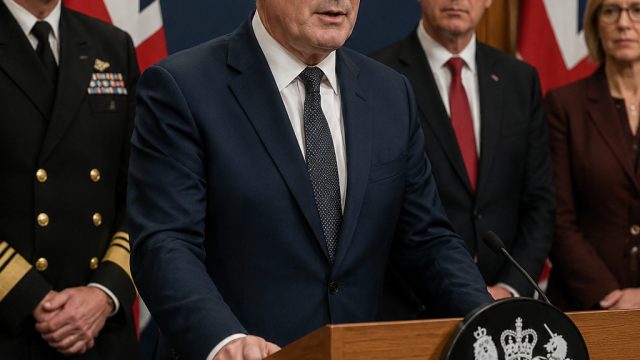
In a significant political maneuver, the UK government is poised to maintain its controversial defense strategy despite recent resignations that have stirred debate within political circles. This steadfast approach has raised questions not only about the government’s internal dynamics but also about its impact on the UK’s standing in international alliances like NATO.
The Current Landscape of UK Defense Policy
The UK government, led by Prime Minister Keir Starmer, is pushing forward with its defense plan which has faced criticism for its funding and strategic direction. The recent resignation of key political figures has intensified scrutiny over the government's commitment to defense funding and its implications for national security.
Key Reasons Behind the Defense Strategy
- Strengthening NATO Relations: The UK aims to reinforce its commitment to NATO, ensuring that it meets its obligations and plays a pivotal role in collective defense efforts.
- Addressing Emerging Threats: The government emphasizes the need to prepare for new and evolving threats, which necessitate robust funding and strategic planning.
- Political Stability: Maintaining a consistent defense strategy may be seen as a way to stabilize the current administration amid political upheaval.
Resignation Fallout: What It Means for Defense Funding
With resignations shaking up the political landscape, questions arise regarding the sustainability of the government’s defense funding plan. Critics argue that the current strategy lacks transparency and may not adequately address the concerns of both military leaders and constituents.
Potential Consequences of the Defense Plan
As the debate continues, several potential consequences emerge:
- Increased Tensions Within Government: Political infighting may escalate as factions within the party grapple with the direction of the defense policy.
- Public Opinion Shifts: The effectiveness of the defense strategy could influence public trust in the government, particularly if it fails to demonstrate tangible benefits.
- NATO Relations at Stake: The UK’s commitment to NATO could be questioned by allies, impacting collaborative defense efforts.
Looking Forward: The Path Ahead for UK Defense
As the government moves forward, its approach to defense will be under the microscope. Key players, including military leaders and political analysts, will be closely watching how the strategy translates into action. The implications of this plan are significant—not just for the UK but also for its international relations.
What Citizens Should Watch For
Citizens and stakeholders should keep an eye on several factors in the coming months:
- Updates on Funding Allocations: How funding is allocated across different branches of the military will indicate the government’s priorities.
- Public Discourse and Debate: Watch for ongoing discussions in Parliament as various factions voice their opinions on the defense strategy.
- Response from NATO Allies: The reactions of NATO partners to the UK’s commitment will be telling in terms of international defense collaborations.
Conclusion: A Crucial Moment for the UK
The UK government’s decision to press on with its defense strategy amid resignations marks a pivotal moment in its political journey. As debates continue to unfold, the implications of this decision will shape the future of the UK’s defense policy and its role in global security. Stakeholders must remain informed and engaged, as this narrative is far from over, and its outcomes could redefine national security priorities for years to come.
