




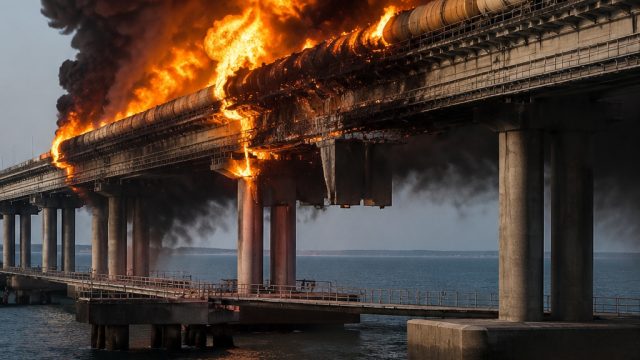
In recent weeks, the ongoing conflict between Ukraine and Russia has escalated significantly, with Ukrainian forces intensifying their offensive operations. This shift has led to a notable disruption of Russian logistical routes, particularly between the Kherson region and Crimea. Understanding the strategic implications of these developments is crucial for grasping the current state of the conflict and the future dynamics of military engagements in the region.
Strategic Strikes on Key Infrastructure
The Ukrainian Defense Forces have launched a series of targeted strikes on critical infrastructure, specifically bridges that serve as vital lifelines for Russian supply lines to Crimea. These bridges, which connect the Kherson region with the peninsula, have been essential for the transport of troops, equipment, and supplies. By focusing their efforts on these strategic points, Ukrainian forces aim to cripple the enemy's ability to sustain its military presence in the occupied territories.
The Significance of Disruption
The disruption of Russian supply routes is not merely a tactical victory for Ukraine; it has broader implications for the ongoing conflict. Here are several key factors to consider:
- Logistical Challenges: The inability to effectively transport resources may hinder Russian military operations, leading to delays and inefficiencies.
- Morale Boost: Successful strikes can enhance the morale of Ukrainian troops and support among the civilian population, reinforcing the legitimacy of their efforts.
- Operational Flexibility: Disabling supply lines allows Ukraine to exploit gaps in Russian defenses, possibly leading to further territorial gains.
Ukrainian Defensive Strategy
As Ukrainian forces continue to pressure Russian logistics, their overarching strategy appears to be one of attrition, aimed at wearing down the enemy's capacity for sustained conflict. This approach has seen increased support from Western allies, who are providing not only intelligence but also advanced weaponry. The integration of modern technology into military tactics has significantly altered the landscape of this conflict.
Western Support and Its Implications
The role of international support cannot be overstated. Supplies of advanced weaponry, coupled with intelligence sharing, have empowered Ukrainian forces in their fight. Here are some ways this support is influencing the conflict:
- Enhanced Targeting Capabilities: Access to satellite imagery and real-time intelligence allows Ukrainian forces to identify and strike critical targets with precision.
- Resource Distribution: Increased military aid ensures that Ukrainian forces are equipped to tackle logistical disruptions effectively.
- Strategic Alliances: Building relationships with allies enhances Ukraine's bargaining power on the global stage, potentially leading to more comprehensive support.
The Future of Military Engagements in the Region
Looking ahead, the current situation raises questions about the future trajectory of military engagements between Ukraine and Russia. With ongoing pressure on supply chains, the dynamics of warfare are likely to evolve, necessitating adaptations from both sides.
Potential Outcomes and Scenarios
As the conflict continues, several potential outcomes could emerge:
- Prolonged Conflict: If logistical challenges persist for Russia, a drawn-out conflict may ensue, with both sides digging in their positions.
- Negotiated Settlement: A severe strain on Russian resources might compel leaders to consider a negotiated solution to avoid further losses.
- Escalation of Hostilities: Conversely, continued strikes may lead Russia to escalate its military response, further complicating the situation on the ground.
A Call for Vigilance
The situation remains fluid, and the importance of vigilance cannot be understated. Stakeholders in the region, including local communities, businesses, and military analysts, must stay informed about the evolving dynamics. Understanding the implications of these logistics disruptions can provide insights into future developments on both the political and military fronts.
Conclusion
The recent Ukrainian offensives targeting Russian supply routes represent a critical juncture in the ongoing conflict. As the situation unfolds, the strategic significance of these strikes will likely shape not only the immediate course of military engagements but also the geopolitical landscape in the region for years to come. Staying informed and adaptable is crucial for all parties involved as they navigate this complex and evolving conflict.
