




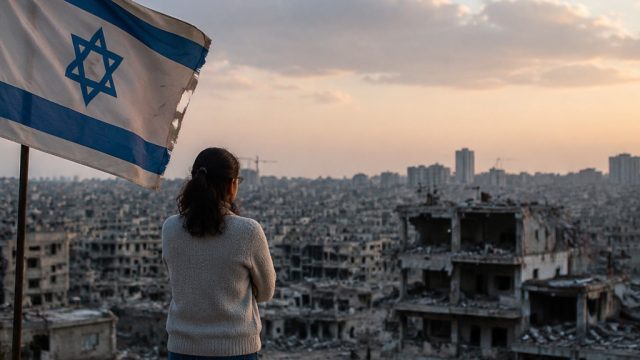
As tensions escalate in northern Israel, the hope for a ceasefire appears increasingly tenuous. Local residents express skepticism regarding the recent agreements aimed at ceasing hostilities with Hezbollah. This lingering doubt arises from the ongoing violence and complex historical tensions that shape the Israeli-Hezbollah relationship. The urgency to understand the implications of this conflict is more critical than ever.
Current Situation: A Fragile Truce
The recent escalations in violence have prompted discussions about a possible ceasefire between Israeli forces and Hezbollah. However, the reality on the ground tells a different story. Despite negotiations, many locals remain unconvinced that an agreement will lead to lasting peace. The immediate aftermath of military actions continues to shake communities, with reports of casualties and destruction making headlines.
Local Reactions to Rising Violence
- Despair and Fear: Residents express concern for their safety and the uncertainty of future conflicts.
- Distrust in Leadership: Many locals are doubtful about the government’s ability to secure a sustainable peace.
- Historical Context: Longstanding animosities complicate the belief in effective ceasefire agreements.
The Impact of Military Engagements
Recent military actions, including airstrikes and ground operations, have emphasized the fragility of any ceasefire. The destruction in regions like Tyre, Lebanon, not only affects military targets but also displaces civilians and disrupts daily life. This chaos has profound implications for local and regional stability, raising questions about the efficacy of diplomatic efforts.
Community Struggles Amidst Conflict
- Economic Hardship: The conflict has devastated local economies, leaving many without stable sources of income.
- Social Displacement: Families are forced to evacuate their homes, leading to an increase in internally displaced persons.
- Psychological Toll: The constant threat of violence has resulted in long-term mental health issues for many residents.
Looking Ahead: The Quest for Sustainable Peace
While ceasefire agreements may provide temporary relief, the underlying issues fueling the conflict remain unresolved. Stakeholders must address the historical grievances and socioeconomic challenges that perpetuate the cycle of violence. Engaging in comprehensive dialogue that includes local voices could pave the way for a more enduring peace process.
What Needs to Change?
- Inclusive Negotiations: It's vital to include various community perspectives in peace talks.
- Addressing Root Causes: Efforts must focus on the socioeconomic factors that contribute to unrest.
- International Involvement: Collaboration with global partners could support sustainable solutions.
Conclusion: The Path Forward Remains Unclear
The situation in northern Israel underscores the complexities of achieving lasting peace amid ongoing conflict with Hezbollah. As residents grapple with uncertainty, the need for effective leadership, community engagement, and international support is more pressing than ever. Only through a collective effort can a durable resolution be achieved, ensuring safety and stability for future generations.
