




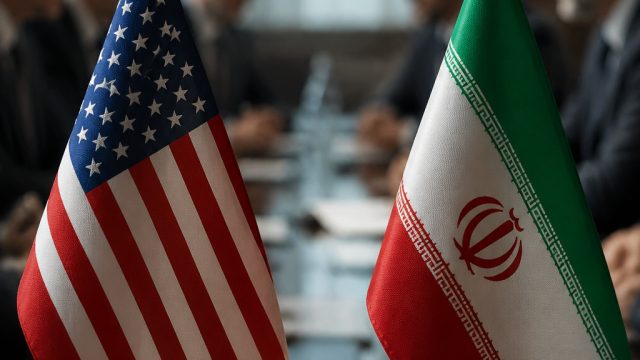
In a significant development that has captured global attention, the United States and Iran have entered into a memorandum of understanding that includes a staggering financial commitment estimated at $300 billion. This agreement marks a critical turning point in international relations, particularly in the context of a nation grappling with economic sanctions and geopolitical isolation.
The Historical Context of U.S.-Iran Relations
The relationship between the U.S. and Iran has been fraught with tension for decades. From the 1979 Iranian Revolution to the recent nuclear negotiations, various factors have shaped this complex interaction. Understanding this history is crucial for grasping the potential implications of the recent financial agreement.
Key Historical Events
- 1979 Iranian Revolution: Overthrow of the Shah and establishment of the Islamic Republic
- 1980-88 Iran-Iraq War: Significant economic and human costs for Iran
- 2015 Nuclear Deal: A brief thaw in relations followed by withdrawal under the Trump administration
- Current Financial Agreement: A new chapter highlighting economic collaboration
What Does the $300B Agreement Entail?
The memorandum of understanding focuses on various sectors, including infrastructure, energy, and trade. The financial backing provided by the U.S. is aimed at assisting Iran in its reconstruction efforts, which is particularly significant given the country’s economic struggles exacerbated by sanctions.
Potential Areas of Investment
- Infrastructure Development: Investments in roads, bridges, and public services.
- Energy Sector Rehabilitation: Enhancements to oil production and renewable energy sources.
- Trade Expansion: Opening avenues for exports and international commerce.
Why This Matters Now
The timing of this agreement is particularly relevant as nations worldwide navigate the post-pandemic economic landscape. By fostering economic growth in Iran, the U.S. may aim to stabilize the region and counteract extremism. However, the move has drawn mixed reactions from allies and adversaries alike.
Global Reactions and Implications
International responses to this agreement have varied significantly, with some viewing it as a step towards peace and others considering it a potential threat to regional stability.
- Support from Allied Countries: Some nations see this deal as a means to foster dialogue.
- Concerns from Regional Powers: Countries like Israel and Saudi Arabia have expressed apprehension regarding Iran’s potential resurgence.
- Market Impact: Global markets are closely watching how this financial agreement will affect oil prices and trade relations.
Conclusion: A Turning Point in International Relations
The $300 billion financial agreement between the U.S. and Iran represents a crucial juncture that could redefine not only the dynamics between these two nations but also the broader geopolitical landscape. As the situation evolves, stakeholders in various sectors, including business and finance, should stay informed about potential opportunities and challenges arising from this landmark agreement.
