




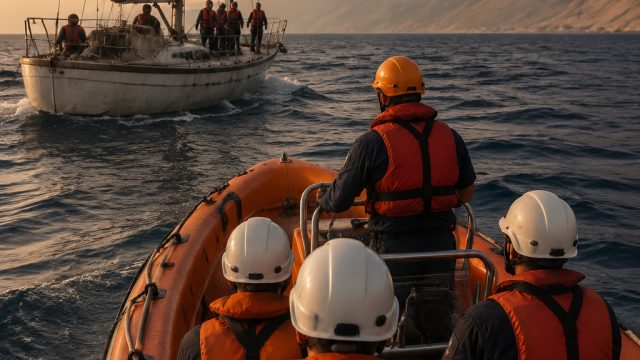
The Strait of Hormuz, a critical maritime passage for global oil transport, is currently the center of attention as the UN announces a comprehensive evacuation strategy for approximately 11,000 sailors stranded due to geopolitical tensions and logistical challenges. This situation has escalated in urgency, and it is essential for industry stakeholders to understand its implications.
The Current Situation in the Strait of Hormuz
Located between Iran and Oman, the Strait of Hormuz is a vital chokepoint for international trade, particularly for oil shipments. Recent confrontations and diplomatic strains in the region have led to a significant backlog of ships and their crews. This congestion has raised concerns about safety, security, and the potential for increased shipping costs.
Why Are Sailors Stranded?
Several factors contribute to the current plight of sailors in the Strait of Hormuz:
- Geopolitical Tensions: Increased military presence from various nations has created an atmosphere of uncertainty.
- Logistical Challenges: Unforeseen delays in port operations and inspections have hindered vessel movements.
- Health and Safety Concerns: The ongoing global health crisis has added layers of complexity in managing crew changes.
UN's Role in the Evacuation
The United Nations, recognizing the humanitarian implications of the situation, has stepped in to facilitate a structured evacuation. This measure is not only about safety; it also highlights the delicate balance of international relations in the region. The evacuation protocol aims to:
- Provide immediate relief for sailors and their families.
- Minimize the risk of incidents that could exacerbate tensions.
- Restore confidence in maritime operations through effective management.
Timeline for Evacuation
The UN's evacuation plan is set to commence shortly, with specific timelines being communicated to all stakeholders involved. The goal is to ensure that all stranded sailors are safely transported to their home countries in a timely manner.
Implications for Global Shipping
This evacuation plan has far-reaching implications for the maritime industry:
- Increased Shipping Costs: The ongoing bottleneck may lead to higher shipping rates, impacting global trade.
- Supply Chain Disruptions: Delays in transport could affect product availability in various markets.
- Maritime Safety Regulations: Heightened attention on maritime safety may prompt changes in regulations and operational protocols.
Long-Term Outlook
As the situation develops, industry experts are keeping a close eye on the long-term consequences of the current crisis in the Strait of Hormuz. While the immediate focus is on the safe evacuation of sailors, the broader implications for maritime trade and international relations cannot be overlooked.
Conclusion
The UN's initiative to evacuate 11,000 sailors from the Strait of Hormuz is a critical step in addressing an escalating humanitarian and logistical crisis. For businesses operating within the maritime sector, staying abreast of these developments is essential for navigating the challenges ahead. As we watch this situation unfold, the focus on maritime safety and efficient logistics will be paramount.
