




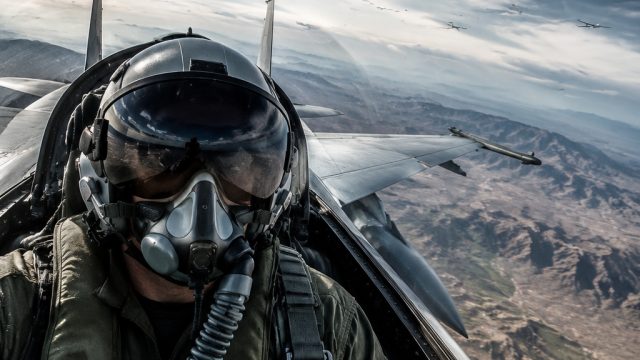
In a dramatic unfolding of events, a U.S. fighter pilot has shared a gripping account of his encounter with a coordinated swarm of Iranian drones just moments before he was forced to eject from his aircraft. The incident, which occurred last April, has raised significant concerns about military aviation safety and the evolving dynamics of aerial warfare.
The Context of the Encounter
This encounter comes at a time when drone technology has gained unprecedented prominence in military operations worldwide. The ability to deploy drones effectively can change the tide of conflicts, making it imperative for nations to understand their capabilities and vulnerabilities.
Emerging Drone Warfare
The use of drones in modern warfare has transformed conventional military strategies. With advances in technology, drones can now operate in sophisticated formations, allowing for strategic advantages in battlespace. The U.S. pilot's experience underscores the reality of facing a new breed of threat in the form of drone swarms.
Operational Implications
- Heightened Risk: Pilots must now grapple with the complexities of engaging multiple drone targets that can execute coordinated maneuvers.
- Need for Advanced Training: Armed forces must adapt their training to account for the intricacies of drone encounters, emphasizing quick decision-making and combat strategies.
- Technological Innovations: To counter these drone threats, military organizations are investing in new technologies that can neutralize swarms effectively.
Insights from the Pilot's Experience
The pilot described a scene of chaos and tension as he navigated his aircraft amidst what appeared to be a synchronized swarm of Iranian drones. Witnessing the drones moving like a jellyfish in formation was not only striking but also alarming, highlighting the need for enhanced awareness and strategy in aerial engagements.
Challenges Faced by Pilots
As drone technology evolves, so too do the challenges faced by military pilots. Some of the significant challenges include:
- Increased Surveillance: Drones provide enhanced reconnaissance capabilities, making it harder for pilots to operate undetected.
- Psychological Impact: The presence of drones can induce stress and anxiety, affecting a pilot's performance.
- Countermeasure Development: The need for developing effective countermeasures to neutralize drone threats is paramount.
The Broader Implications on Military Strategy
This incident is not just a singular experience; it reflects broader trends in military engagements worldwide. As countries invest in drone technology, the implications for air dominance and ground strategies are significant. The ability to launch a swarm of drones can overwhelm traditional defense mechanisms and shift the balance of power.
Future of Aerial Warfare
Looking ahead, the trajectory of aerial warfare may increasingly depend on how well militaries adapt to the drone threat. Some considerations include:
- Investment in AI: The integration of artificial intelligence in drone operations may lead to sophisticated autonomous systems capable of executing complex missions.
- International Cooperation: Nations may need to collaborate on frameworks governing drone use to prevent escalation and misunderstandings.
- Enhanced Defense Systems: Developing robust defense systems capable of countering drone swarms will be crucial for maintaining airspace security.
Conclusion: The Need for Vigilance and Adaptation
The U.S. pilot's encounter with the Iranian drone swarm serves as a stark reminder of the changing landscape of military engagements. As drone technology continues to advance, it is essential for armed forces to remain vigilant and adaptive, ensuring that they are equipped to face these emerging challenges. The lessons learned from this incident will play a crucial role in shaping future military strategies and aviation safety protocols.
