




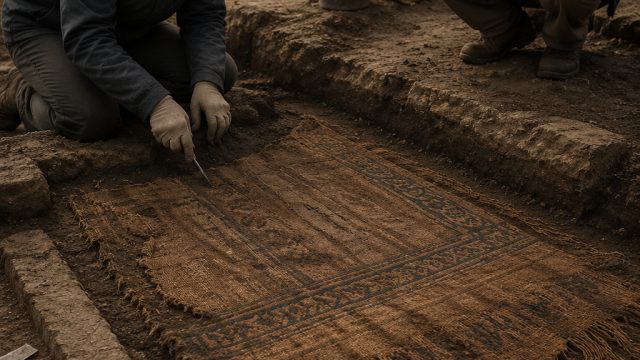
Recent archaeological explorations in Denmark have unearthed a significant Viking textile production site, providing fresh insights into the economic activities and craftsmanship of this ancient civilization. This discovery is not just a remarkable find for historians; it reshapes our understanding of Viking society and its intricate trade networks.
The Historical Importance of the Viking Textile Industry
The Vikings, known for their seafaring prowess and exploration, also had a rich textile industry that played a crucial role in their economy. The newfound site highlights the sophistication of their textile production methods, particularly in the Baltic region. This aspect of Viking life has often been overshadowed by their naval exploits and raids.
Craftsmanship and Techniques
At the site, archaeologists have discovered various tools and remnants indicative of advanced weaving techniques. The presence of loom weights and spindle whorls suggests that the Vikings produced not only clothing but also elaborate tapestries and textiles for trade. This finding points to a highly organized textile production that demanded skilled labor.
Trade Networks and Economic Insights
The implications of this discovery extend beyond craftsmanship. It raises questions about the Vikings' trade networks. Textiles were valuable commodities during the Viking Age. They were not merely functional items but also symbols of wealth and status.
The Role of Textiles in Viking Trade
- Textiles as Currency: Textile goods often served as a form of currency in trade agreements.
- Influence on Surrounding Cultures: The export of Viking textiles likely influenced neighboring cultures and their clothing styles.
- Integration of Trade Routes: This site could reveal how the Vikings interconnected various trade routes across Europe.
Contemporary Relevance and Lessons from the Past
This archaeological discovery is not only significant for historians; it also resonates with contemporary discussions about sustainable practices in production and trade. As modern industries grapple with ethical sourcing and sustainability, the Viking textile production site serves as a historical case study on how ancient societies managed resources and labor.
Lessons on Sustainability
Understanding the methods and materials used by the Vikings could inspire modern textile industries. For instance, environmentally friendly practices and local sourcing were already prevalent in Viking times.
Conclusion: A New Chapter in Viking Studies
The discovery of this Viking textile site in Denmark is a pivotal moment for archaeology and Viking studies. It opens a new chapter in the narrative of Viking life, emphasizing the importance of textiles in their economy, culture, and daily lives. As further research unfolds, we anticipate a deeper understanding of how textiles shaped social dynamics and trade interactions during the Viking Age.
For historians, archaeologists, and enthusiasts alike, this finding underscores the idea that every artifact unearthed can provide a fresh perspective on the complexities of ancient societies. The ongoing exploration at this site promises to yield even more insights into the fascinating world of the Vikings and their enduring legacy.
