




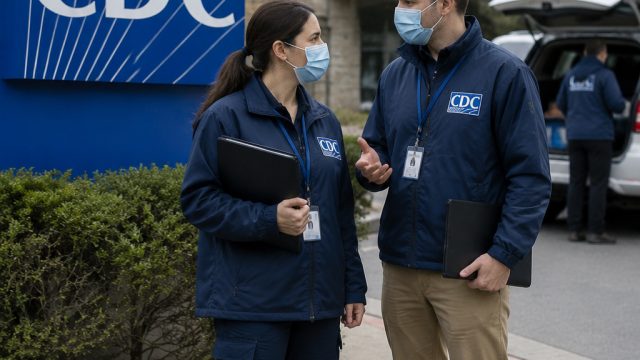
The recent announcement from the Centers for Disease Control and Prevention (CDC) marks a significant turning point in the United States' approach to the hantavirus outbreak. With the risk of substantial infection dropping dramatically, health authorities are discontinuing their emergency response efforts, leading many to reflect on the implications of this development.
The End of an Era in Public Health Response
In a move signaling a remarkable decrease in the threat posed by hantavirus, the CDC has officially ended its response initiatives. This decision follows a careful assessment of the current public health landscape, particularly focusing on the low incidence of new cases and successful containment of previous outbreaks. The conclusion of these measures comes after a six-week quarantine of 18 individuals who were exposed to the virus while on a cruise ship.
Understanding Hantavirus
Hantavirus is a serious disease primarily spread through contact with the urine, droppings, or saliva of infected rodents. The virus can lead to severe respiratory issues and even death in some cases. With the CDC's decision to cease its response, it is crucial to understand what this means for public health and safety.
Key Takeaways from the CDC's Decision
- Assessment of Risk: Health officials have indicated that the risk of a widespread hantavirus outbreak is currently low, allowing resources to be reallocated to other pressing health issues.
- Public Safety Measures: Although the emergency response has concluded, the CDC continues to advocate for public awareness regarding hantavirus and its transmission routes.
- Impact on Cruise Industry: The quarantine involving cruise passengers highlighted the importance of prompt action and communication in managing potential outbreaks effectively.
Community Reactions and Lessons Learned
The lifting of the quarantine and cessation of the CDC's response has elicited a mixed response from the public and experts alike. Many are relieved that the immediate threat has abated, while others express concerns about complacency.
Expert Opinions
Public health experts stress the importance of remaining vigilant even in the face of decreased threat levels. Educating communities about hantavirus prevention continues to be paramount, especially in areas where rodent populations are prevalent.
Community Engagement
Local health departments are encouraged to engage with community members through informational campaigns. This could include:
- Workshops on sanitation and rodent control measures.
- Dissemination of literature on recognizing hantavirus symptoms.
- Collaborations with schools to educate children and families about public health practices.
Looking Forward: The Future of Hantavirus Management
As the CDC shifts its focus, the future management of hantavirus will involve ongoing research and preparedness planning. While immediate fear has subsided, understanding the virus remains essential for preventing future outbreaks.
Encouraging Preventative Measures
Health officials emphasize that the best way to prevent hantavirus infections is through education and awareness. Everyone can contribute by:
- Maintaining clean living spaces to deter rodent infestations.
- Using protective gear when cleaning areas potentially contaminated by rodents.
- Reporting any suspected rodent activity to local public health authorities.
Conclusion
The CDC's decision to conclude its hantavirus response is a hopeful sign reflecting improved public health conditions. However, it also serves as a reminder of the need for ongoing vigilance in the face of emerging infectious diseases. By staying informed and proactive, communities can better protect themselves against potential health threats in the future.
