




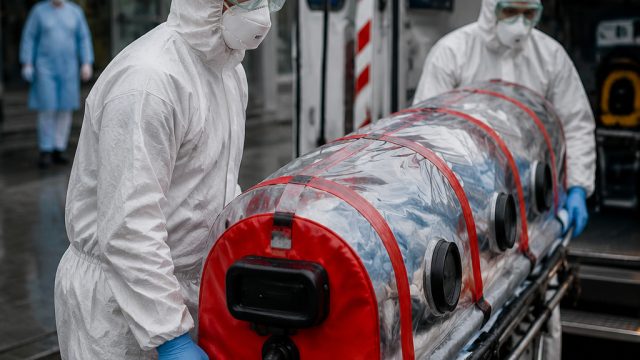
As the world grapples with various health challenges, recent reports highlight a critical situation with the Ebola virus. France has confirmed its first case of Ebola linked to the ongoing outbreak in Africa, where the number of reported cases has surged beyond 1,000. This alarming development underscores the necessity for heightened vigilance and proactive measures in global health responses.
The Current Ebola Situation in Africa
The Democratic Republic of the Congo (DRC) is at the epicenter of this outbreak, which is now considered the fastest-growing in the history of the region. Health authorities are working tirelessly to contain the spread of the virus, which has significant implications for global health security.
Understanding the Outbreak
- Accelerated Spread: The current outbreak has escalated rapidly, leading to fears of wider transmission.
- Public Health Response: Governments and international organizations are mobilizing resources to combat this crisis.
- Local Impact: Communities in the DRC are facing devastating effects, with significant mortality rates reported.
France's First Case
The confirmed Ebola case in France involves a doctor who had recently worked in the DRC, highlighting the risks faced by healthcare professionals in regions affected by the virus. This incident serves as a reminder of the interconnectedness of global health issues.
Why This Matters Now
With the confirmed case in France, there are pressing questions regarding travel safety, healthcare system readiness, and the effectiveness of current containment measures. The timing of this outbreak is especially critical as countries around the world prepare for the upcoming winter months, which are traditionally associated with increased health risks.
Key Concerns for Global Health
- Increased Monitoring: Countries need to enhance monitoring at borders for travelers from affected regions.
- Healthcare Preparedness: Hospitals and clinics must be equipped to handle potential cases with appropriate isolation protocols.
- Public Awareness Campaigns: It is crucial to educate the public regarding symptoms and preventative measures to stop further outbreaks.
Looking Ahead: What Can Be Done?
Addressing the Ebola outbreak requires a multifaceted approach that includes immediate action and long-term strategies. Global cooperation, research investment, and community-based initiatives are vital to ensure effective containment and response efforts.
Strategies for Mitigation
- Vaccination Programs: Expanding the availability of vaccines to at-risk populations can greatly reduce outbreaks.
- Rapid Response Teams: Establishing dedicated teams to respond to emerging cases can facilitate quicker containment.
- International Collaboration: Strengthening partnerships between countries can enhance resource sharing and support.
Conclusion
The confirmation of Ebola's arrival in France amidst a rapidly escalating outbreak in Africa highlights the urgent need for international collaboration and preparedness. As we navigate these challenging times, it is essential to stay informed and proactive in addressing public health threats. By working together, we can help mitigate the impact of such diseases and protect our global community.
