




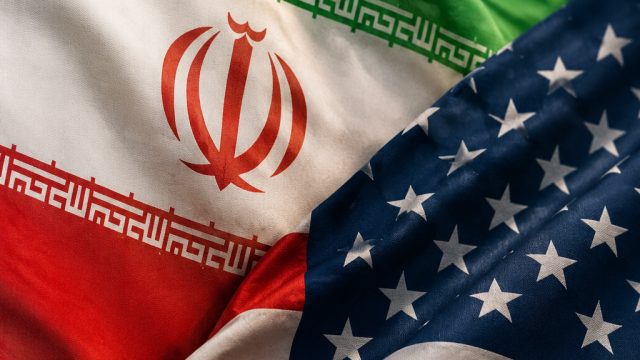
The global stage is witnessing a dynamic shift, especially concerning the relationship between the United States and Iran. Recent statements from key political figures highlight the evolving nature of this relationship, particularly in the context of nuclear inspections and regional navigation agreements. This is crucial for businesses engaged in international trade, particularly those in B2B wholesale export.
Understanding Recent Claims and Their Implications
In a recent announcement, U.S. President Donald Trump asserted that Iran has committed to a policy of transparency regarding its nuclear capabilities. He emphasized this commitment as a significant turning point, citing Iran's alleged readiness to allow inspections that would assure international compliance. However, contrasting statements from Iranian officials suggest a more complex scenario.
Iran's Position on Nuclear Inspections
While the U.S. claims progress, Iran's foreign ministry has clarified that there are no forthcoming plans for inspections by the International Atomic Energy Agency (IAEA) at sites previously attacked by U.S. and Israeli forces. This contradiction raises questions about the feasibility of diplomatic negotiations and the potential reach of international oversight, which can directly impact global markets and trade agreements.
The Strait of Hormuz: A Key Geopolitical Passage
Another significant development is the bilateral agreement between Oman and Iran to establish a team aimed at improving navigation in the Strait of Hormuz. This strategic waterway is vital for the transportation of oil and goods, making it a focal point for international trade. Discussions are set to include coastal nations, highlighting an attempt to stabilize the region's economic activities.
The Role of the Strait of Hormuz in Global Trade
- Approx. 20% of the world’s oil passes through this strait.
- Any disruptions could result in increased shipping costs and supply chain delays.
- It serves as a critical route for B2B trading activities, especially in oil and gas sectors.
What Businesses Need to Know Now
For businesses involved in wholesale export, understanding the implications of these geopolitical developments is essential. The future of U.S.-Iran relations will likely influence trade policies, regulatory environments, and market stability.
Strategies for Businesses in a Changing Landscape
Here are some strategic considerations for companies to navigate this evolving landscape:
- Monitor international news closely for updates on negotiations and trade agreements.
- Evaluate the impact of potential disruptions in the Strait of Hormuz on logistics and shipping.
- Consider diversifying supply chains to mitigate risks associated with geopolitical tensions.
Conclusion: The Road Ahead
As the situation unfolds, it remains crucial for businesses to stay informed about the changing dynamics of U.S.-Iran relations and other geopolitical factors. By understanding the implications of these developments, businesses can better prepare for possible changes in trade regulations and market conditions. Engaging in proactive strategies while staying updated will ensure that companies remain resilient in the face of uncertainty.
