




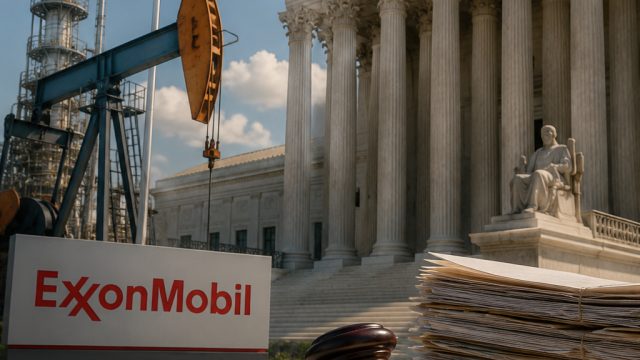
The recent ruling from the Supreme Court of the United States has opened significant avenues for U.S. businesses regarding their operations in Cuba. On Tuesday, the court granted ExxonMobil the right to pursue legal action against Cuban state-owned enterprises over properties that were nationalized during Fidel Castro's regime. This decision holds substantial weight for American companies considering investments or operations in Cuba and sheds light on the complexities of international law and U.S. foreign relations.
Understanding the Supreme Court's Decision
The Supreme Court's ruling marks a pivotal moment in the ongoing dialogue surrounding U.S.-Cuba relations. By allowing ExxonMobil to proceed with its case, the court has effectively endorsed the notion that U.S. companies can seek compensation for assets seized without just compensation. The ruling aligns with the Helms-Burton Act of 1996, which enables U.S. nationals to sue for expropriated properties.
The Helms-Burton Act Explained
The Helms-Burton Act codifies U.S. policy towards Cuba, emphasizing the obligation to protect American property claims. Key provisions include:
- Title III: This allows U.S. nationals to sue foreign entities that traffic in property confiscated by the Cuban government.
- Title IV: This denies entry to the U.S. for individuals who are responsible for trafficking in confiscated properties.
Since its enactment, the Act has faced criticism and calls for repeal, particularly concerning its impact on diplomatic relations with Cuba.
Impact on U.S. Businesses
For U.S. companies eyeing opportunities in Cuba, the Supreme Court's ruling could serve as both a beacon of hope and a source of caution. Here’s how it may influence the broader business landscape:
Increased Confidence in Legal Recourse
With this legal precedent, U.S. businesses might feel more secure in pursuing claims against foreign governments that seize their assets. This renewed confidence could facilitate increased trade and investment flows, not just with Cuba but in other international markets where asset seizures are a concern.
Potential Risks and Challenges
However, the ruling also raises several challenges:
- Retaliatory Measures: Cuba may respond with measures against U.S. businesses, complicating future trade negotiations.
- Legal Complexities: Navigating international law can be fraught with complexities, and companies must be prepared for lengthy legal battles.
- Market Uncertainty: The geopolitical landscape is ever-changing, and fluctuations in U.S.-Cuba relations could impact investment stability.
Global Business Implications
This ruling could set a precedent not just for U.S.-Cuba relations but for how other nations interact with American businesses. As companies across various sectors assess their international exposure, they must consider the legal ramifications of operating in countries with histories of property expropriation.
Broader International Trends
The implications of this ruling extend beyond just ExxonMobil or Cuba. Companies worldwide are increasingly scrutinizing their investments in countries with political and economic instability. This trend is exemplified by:
- Heightened Due Diligence: Firms are investing more in risk assessment and legal consultation to navigate potential conflicts.
- Strong Advocacy for Property Rights: A greater push for international agreements that protect against expropriation is emerging.
Conclusion: A New Era for U.S. Businesses?
The Supreme Court's decision has opened the door for U.S. companies to reclaim seized properties in Cuba, presenting both opportunities and challenges. As the landscape evolves, businesses must remain vigilant and informed about the risks associated with international investments. This ruling could pave the way for a new era in U.S. business relations, where the protection of property rights becomes a central pillar. Companies like ExxonMobil are now leading the charge, setting the stage for potentially significant shifts in how U.S. businesses operate abroad.
