




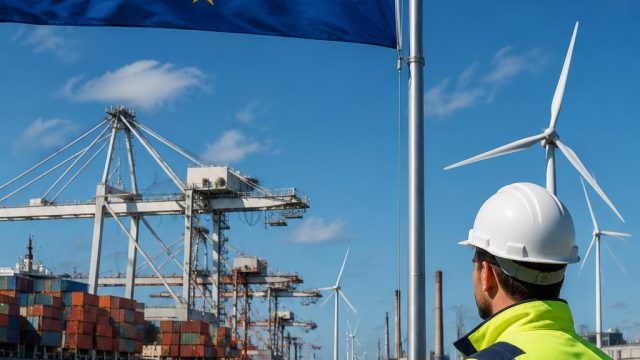
The landscape of industrial policy in the European Union is subject to significant changes as we move into 2024. The transition from Industry 4.0 to Industry 5.0 signifies a robust commitment to integrating human-centric principles, sustainability, and resilience into the heart of industrial operations. This article delves into the implications of these shifts, highlighting the key reports shaping the policy and what it means for businesses.
Understanding the Transition to Industry 5.0
Industry 4.0 brought forth technological advancements centered around automation and data exchange. As we pivot towards Industry 5.0, the focus has shifted to prioritizing human elements within these technologies. This transformation aims to create a more inclusive and sustainable industrial sector, addressing the pressing challenges of our time, such as environmental concerns and workforce dynamics.
The Role of Human-Centricity
Human-centricity forms the core of this new paradigm. EU policies are increasingly recognizing the importance of placing human values at the forefront of industrial practices. With this shift, companies are encouraged to invest in their workforce's skill development and well-being.
Key Reports Influencing EU Industrial Strategy
Two pivotal reports are steering the course of EU industrial policy in 2024:
- The Future of European Competitiveness by Mario Draghi
- Much More Than A Market by Enrico Letta
These documents outline ambitious targets aimed at enhancing the EU's global competitiveness while ensuring ethical considerations in industrial practices.
Key Recommendations from the Reports
- Increase investment in sustainable technologies.
- Promote innovation driven by social responsibility.
- Develop strategies for resilience in supply chains.
- Enhance collaboration between the public and private sectors to tackle shared challenges.
The Importance of Sustainability in Industrial Policy
Sustainability is no longer just an add-on; it is a core requirement of modern industrial practices. EU policies now reflect a growing recognition that environmental stewardship can coexist with economic growth. Companies are urged to adopt sustainable practices in production and operations, leading to a circular economy.
Benefits of Embracing Sustainability
- Improved brand reputation among consumers and partners.
- Cost savings through efficient resource management.
- Access to new markets driven by environmentally conscious consumers.
Implications for Businesses and Exporters
For B2B wholesalers and exporters, the shift in EU industrial policy is not just a matter of compliance; it's an opportunity to innovate and differentiate. Companies can leverage these new policies to enhance their competitive edge.
Strategies for Adaptation
Businesses should consider the following strategies to align with the evolving EU industrial landscape:
- Regularly assess and update sustainability practices.
- Invest in training programs for employees focused on new technologies.
- Explore collaborative initiatives with other businesses to share resources and insights.
Conclusion: Seizing the Opportunity
The transformation of EU industrial policy is more than just a regulatory change; it is an invitation for businesses to rethink their strategies and operations. By embracing human-centric values, sustainability, and resilience, companies can not only comply with new regulations but also lead in their industries. As we step into 2024, adaptability and innovation will be key drivers for success in this new era of industrial policy.
