




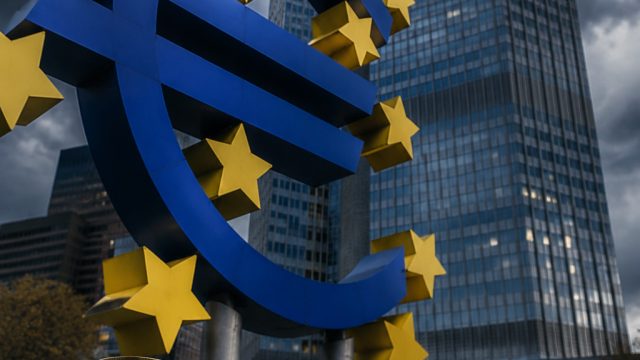
Inflation Concerns Loom as ECB Signals Extended Economic Challenges
The ongoing inflation crisis in Europe continues to dominate discussions among economists and policymakers. Recent comments from Philip Lane, Chief Economist of the European Central Bank (ECB), have underscored the precarious nature of the economic landscape, indicating that inflation levels may remain above the ECB's target rate of 2% for an extended period. This news is particularly pertinent for businesses, as the implications of prolonged inflation can significantly affect operational strategies and market conditions.
The Current Inflation Landscape
Inflation has emerged as a pressing challenge across Europe, driven by a multitude of factors, including supply chain disruptions, rising energy costs, and shifting consumer demand. According to the latest reports, inflation rates have remained stubbornly high, prompting officials to reassess their economic forecasts.
What the ECB's Insights Mean for Businesses
The ECB's acknowledgment of sustained inflation brings several critical factors to the forefront for businesses operating in Europe:
- Cost Management: Companies may face increased operational costs as prices for goods and services rise. Adjusting budgets to account for inflation is crucial.
- Pricing Strategies: Businesses may need to reevaluate their pricing models to remain competitive while addressing rising costs.
- Investment Decisions: Uncertainty about future inflation could lead businesses to be more cautious with investments, affecting growth trajectories.
- Consumer Behavior: Changes in purchasing power can alter consumer behavior, necessitating businesses to adapt their marketing strategies.
Economic Policy Response and Future Outlook
In light of these developments, the ECB is tasked with navigating a complex economic environment. Policymakers are considering a range of tools to combat inflation while supporting economic recovery. Lane's statements suggest a careful balancing act ahead, as the central bank weighs potential interest rate adjustments against the risk of stifling growth.
The Importance of Monitoring Economic Indicators
For businesses, keeping an eye on key economic indicators is essential. Here are some indicators that can provide valuable insights:
- Consumer Price Index (CPI): Tracking changes in the CPI can help businesses gauge inflation trends.
- Producer Price Index (PPI): Understanding shifts in wholesale prices can help forecast future retail price changes.
- Employment Rates: Changes in employment can impact consumer spending, which is crucial for revenue.
- Central Bank Announcements: Staying informed about ECB announcements can provide clues about future monetary policy.
Preparing for the Future
As uncertainties surrounding inflation persist, businesses must proactively prepare to navigate these challenges. Here are strategies that can help mitigate the risks associated with prolonged inflation:
1. Diversify Supply Chains
To minimize disruptions and manage costs effectively, businesses should consider diversifying their supply chains. This approach can help ensure consistent access to materials and mitigate the impacts of localized price hikes.
2. Enhance Financial Flexibility
Maintaining financial flexibility is vital in an inflationary environment. Businesses should focus on optimizing cash flow and exploring various financing options to ensure liquidity during challenging times.
3. Invest in Technology
Leveraging technology can streamline operations and reduce costs. Automation and data analytics can help improve efficiency and provide insights into effective pricing strategies.
4. Engage in Transparent Communication
Transparent communication with stakeholders, including suppliers and customers, can foster stronger relationships and build trust. Keeping open lines of communication can help manage expectations and improve collaboration.
Conclusion: The Path Ahead
The outlook on inflation from the ECB suggests that businesses must remain vigilant and adaptive in their strategies. With inflation likely to remain above target for the foreseeable future, the emphasis on proactive planning and agile decision-making has never been more crucial. By understanding economic trends and implementing effective strategies, businesses can position themselves for success in an unpredictable economic climate.
