




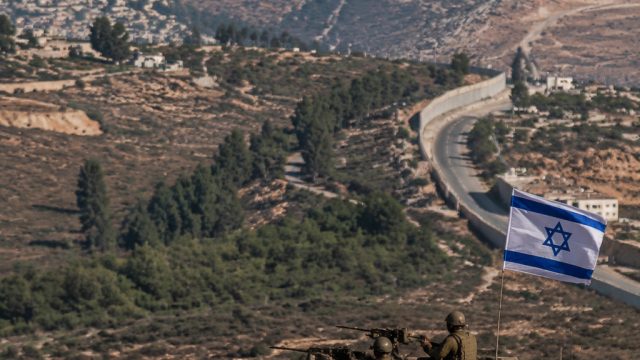
Recent reports from various sources have illuminated significant changes in Israel's military approach regarding operations in Southern Lebanon. As tensions in the region continue to evolve, understanding these shifts can provide crucial insights for businesses and policymakers alike, especially in the context of international trade and security.
Understanding the New Directives
Israeli military officials have reportedly issued updated directives that introduce stricter guidelines for offensive operations in Southern Lebanon. These changes are particularly noteworthy given the complex geopolitical landscape, which has been marked by both regional tensions and evolving security threats.
What the Directives Entail
The new military guidelines require commanders to follow tighter approval procedures before undertaking any operations in the area. This shift appears to be a response to recent escalations and is intended to mitigate the risks associated with increased military engagements. By restricting operations, Israeli leadership aims to maintain a balance between security needs and potential international repercussions.
Implications for Regional Security
The implications of these directives extend beyond the battlefield. Enhanced restrictions on military actions can impact diplomatic relations and trade dynamics within the region, especially with neighboring countries and trading partners. Understanding these factors is crucial for businesses engaged in international trade, as instability often leads to economic uncertainties.
Potential Economic Consequences
- Increased operational costs for businesses in affected regions.
- Potential disruptions in trade routes, impacting logistics and supply chains.
- Shifts in investment patterns as companies reassess risk factors.
- Changes in regional partnerships as countries respond to military actions.
The Broader Geopolitical Context
As the situation in Southern Lebanon unfolds, it is essential to consider the broader geopolitical context. The interplay between military strategy, diplomatic relations, and economic stability is intricate, requiring businesses to stay informed and adaptable.
Historical Context of the Conflict
Over the past few decades, the Israel-Lebanon border has been a focal point for military engagement, deeply rooted in historical grievances and territorial disputes. The current directive updates represent a strategic recalibration aimed at navigating this complex terrain.
Global Reactions
The international community is closely monitoring these developments, with various nations weighing in on the implications for peace and stability in the region. Nations with vested interests in Middle Eastern affairs are particularly concerned about the potential for escalated conflict, which could have ripple effects across global markets.
Conclusion: Staying Ahead in a Changing Landscape
For businesses and stakeholders engaged in sectors influenced by these geopolitical dynamics, staying ahead of developments in Israel's military strategy is critical. As the situation in Southern Lebanon continues to evolve, the importance of understanding military operations and their implications on trade cannot be overstated. By keeping informed, businesses can better position themselves to navigate potential uncertainties and seize opportunities as they arise.
