




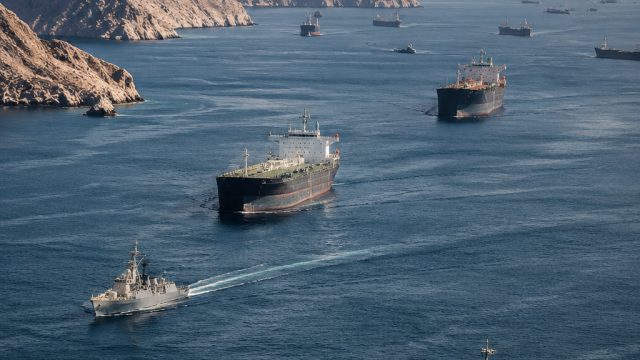
The vital Strait of Hormuz, a crucial maritime corridor for global oil and trade, is experiencing a notable surge in commercial traffic. This rise coincides with recent efforts by the United States and Iran to ease tensions, although both nations continue to present conflicting narratives regarding nuclear monitoring agreements. As geopolitical dynamics shift, the implications for trade and maritime security are significant and warrant attention.
Rising Commercial Traffic in a Critical Corridor
The Strait of Hormuz, which connects the Persian Gulf to the Gulf of Oman, is one of the busiest shipping lanes globally, accounting for a substantial portion of the world’s oil supply. Recent reports indicate that the number of vessels traversing this waterway has increased, suggesting a rebound in trade activity. This uptick comes at a time when the global economy is showing signs of recovery, and businesses are eager to resume operations following pandemic disruptions.
Factors Contributing to Traffic Increases
- Geopolitical Stability: Efforts by the U.S. and Iran to reduce tensions have created a more stable environment for shipping.
- Economic Recovery: The global economy is on a recovery path, prompting increased demand for oil and goods.
- Strategic Partnerships: Countries are forming new trade alliances that require the safe passage of goods through the region.
The U.S.-Iran Standoff: What It Means for Global Trade
While the increase in traffic is promising, the relationship between the U.S. and Iran remains contentious. Reports indicate that the two countries are at odds over Iran's nuclear program, with each side presenting different accounts of potential agreements regarding nuclear monitoring. The U.S. aims to maintain pressure on Iran to adhere to international agreements, while Iran seeks recognition and autonomy regarding its nuclear activities.
Implications for Shipping Companies
For businesses operating in the maritime sector, the current environment presents both opportunities and challenges. Shipping companies must navigate the complexities of geopolitical tensions while ensuring the safe and efficient transport of goods. Here are some key considerations:
- Risk Assessment: Companies need to evaluate the risks associated with shipping through the Strait of Hormuz and adjust routes as necessary.
- Insurance Costs: Heightened tensions may lead to increased insurance premiums for vessels operating in the region.
- Compliance with Regulations: Staying informed about changing regulations and navigation protocols is crucial for compliance and safety.
Why This Matters Now: The Global Impact
The situation in the Strait of Hormuz is not just a regional issue; it has far-reaching implications for global markets. The corridor is pivotal for oil exports, and any disruption can lead to spikes in oil prices, affecting economies worldwide. As businesses look to trade with regions like Asia and Europe, understanding the dynamics at play in this critical maritime zone is essential.
Looking Ahead: Navigating Uncertainty
As maritime traffic through the Strait of Hormuz continues to rise, businesses should remain vigilant. Monitoring geopolitical developments will be essential for making informed decisions regarding trade routes and supply chain management. Engaging with stakeholders and participating in industry forums can provide valuable insights into the evolving landscape.
Conclusion: The Future of the Strait of Hormuz
The ongoing developments in the Strait of Hormuz underscore the importance of maritime trade and its relationship with international relations. As the situation evolves, businesses must adapt to the changing environment to ensure their operations remain resilient and competitive. By prioritizing risk management and staying informed, companies can navigate the complexities of this vital shipping route and continue to thrive in the global marketplace.
