




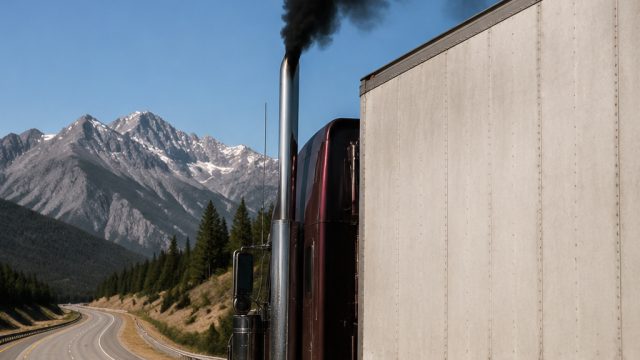
In a surprising move, the U.S. Department of Justice (DOJ) recently announced that it will no longer pursue criminal prosecutions related to diesel emissions bypass kits. This decision has raised significant concerns among environmentalists and public health advocates, given the extensive pollution caused by these devices. With emissions from these kits equating to the pollution produced by 9 million trucks, many are questioning the implications of this policy shift and its effects on air quality and climate change.
The Scale of the Issue
Diesel emissions have long been a contentious topic within environmental discourse. The bypass kits, designed to circumvent emissions regulations, have been linked to an increase in harmful pollutants released into the atmosphere. The DOJ's previous stance on these kits had included vigorous prosecutions aimed at discouraging their use and holding manufacturers accountable.
What Are Diesel Emissions Bypass Kits?
- Devices that modify emissions systems in diesel engines.
- They reduce costs for manufacturers but increase harmful emissions.
- Result in air quality deterioration, contributing to respiratory diseases.
The DOJ's recent decision to close the door on criminal prosecutions has raised eyebrows as it potentially allows manufacturers to continue producing and using these kits without fear of legal repercussions. This could lead to an escalation in diesel pollution levels, posing a substantial risk to public health and the environment.
Environmental and Health Implications
As the world grapples with the urgent need to combat climate change, policies that undermine environmental protections stand to hinder progress significantly. Ending prosecutions for diesel emissions not only sets a concerning precedent but also exacerbates existing public health issues linked to air pollution.
The Link Between Diesel Emissions and Health Risks
Research consistently shows that air pollution, particularly from diesel engines, is associated with various health conditions:
- Respiratory issues such as asthma and chronic obstructive pulmonary disease (COPD).
- Cardiovascular diseases linked to prolonged exposure to particulate matter.
- Increased risk of lung cancer from toxic emissions.
This decision by the DOJ not only risks public health but can also reverse hard-earned progress made toward cleaner air and a healthier environment. By prioritizing industry interests over community health, the long-term consequences could be dire.
What This Means for Environmental Policy
The DOJ's stance reflects a broader trend in environmental regulation where legal enforcement is becoming less rigorous. This shift raises questions about the future of environmental legislation and the effectiveness of existing laws designed to protect public health.
Impacts on Future Legislation
As policymakers and environmental advocates assess this new paradigm, the potential long-term effects may include:
- Weakened regulatory frameworks for emissions standards.
- Reduced incentives for companies to innovate towards clean technologies.
- A decline in public trust regarding governmental commitments to combating climate change.
The implications of this decision extend far beyond just diesel emissions. It signals a willingness to compromise on environmental integrity for short-term economic gains, potentially sacrificing the health of future generations.
Conclusion: The Call for Accountability
In conclusion, the Department of Justice’s retreat from actively prosecuting diesel emissions bypass kits represents a critical juncture for environmental policy in the United States. With air quality and public health hanging in the balance, it is vital for advocates and citizens alike to voice their concerns and push for stronger legislative protections. As we face the challenges of climate change, prioritizing environmental health over industrial profits is not just desirable; it is essential for sustainable growth and community well-being. The urgency of this moment cannot be overstated, as we strive to ensure a cleaner and safer future for all.
