




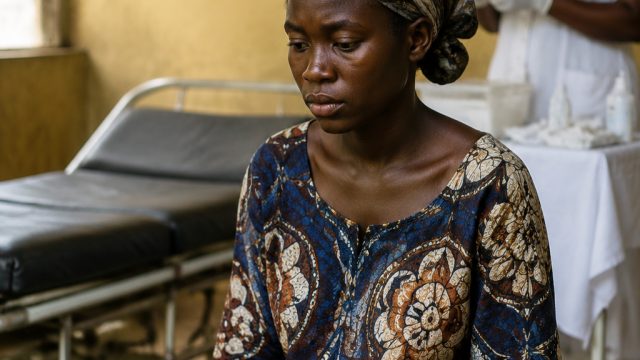
Every year, countless women worldwide experience a traumatic medical condition known as obstetric fistula, a devastating result of prolonged or obstructed labor without adequate medical care. This condition not only affects the physical well-being of women but also has profound emotional and social consequences.
What Are Obstetric Fistulas?
Obstetric fistulas are holes that develop between the vagina and the bladder or rectum, usually resulting from prolonged labor without timely medical intervention. Women suffering from this condition often face incontinence, chronic pain, and severe emotional distress. The lack of access to skilled healthcare during childbirth remains a critical factor contributing to the prevalence of this issue.
The Scale of the Problem
According to recent estimates, millions of women worldwide live with obstetric fistulas, especially in low-income countries where healthcare infrastructure is lacking. In regions with limited access to maternal healthcare, many women give birth at home with no trained medical personnel present. This scenario creates a perfect storm for complications that can lead to fistulas.
Impact on Women and Infants
- Women suffering from obstetric fistulas face social stigmatization, isolation, and even abandonment by their families.
- In many cases, babies born under these circumstances do not survive due to lack of immediate medical assistance.
- Emotional and psychological impacts, including depression and trauma, are prevalent among those affected.
Why This Issue Matters Now
The global health community is at a critical juncture where the fight against obstetric fistulas must gain urgent attention. With increased awareness and advocacy, governments and organizations can kickstart initiatives aimed at improving maternal healthcare systems. The COVID-19 pandemic exacerbated many existing healthcare disparities, and now is the time for intervention.
Global Initiatives and Solutions
Several organizations are leading the charge in addressing the obstetric fistula crisis:
- Healthcare Infrastructure Improvement: Investing in healthcare systems to provide skilled birth attendants and emergency obstetric services is crucial.
- Education and Awareness: Raising awareness about the importance of accessing maternal healthcare can significantly reduce the incidence of fistulas.
- Support Services: Providing psychological support and social reintegration programs for affected women can help them regain their dignity and lives.
How You Can Help
Individuals and organizations can contribute in various ways to combat this crisis. Here are some actionable steps:
- Donation: Contributing to organizations that provide care and surgical repair for women suffering from fistulas.
- Advocacy: Raising awareness through social media and community events can mobilize support and resources.
- Volunteer: Getting involved with local NGOs focused on maternal health can make a tangible difference in your community.
Conclusion
The issue of obstetric fistulas is not just a medical problem; it is a humanitarian crisis that requires immediate attention from all sectors of society. By enhancing healthcare access, increasing awareness, and supporting affected women, we can take significant steps towards eliminating this preventable condition. As we move forward, let us ensure that no woman has to suffer in silence and that every mother has access to the care she needs during childbirth.
