




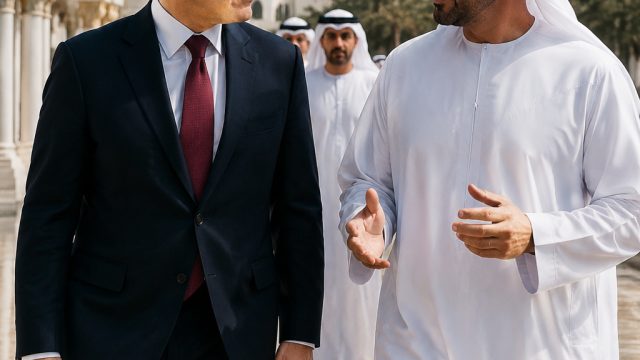
In a world where political alliances and regional security are increasingly fragile, U.S. Secretary of State Marco Rubio's recent visit to the United Arab Emirates (UAE) signals an urgent diplomatic effort to address significant concerns among Gulf Arab nations regarding a potential deal with Iran. The timing of this visit is crucial as it highlights the complex interplay between diplomacy and regional stability, particularly as tensions in the Middle East evolve.
Understanding the Context of the UAE Visit
The UAE is a pivotal player in the Gulf, acting as a bridge between Western influences and regional dynamics. Rubio's arrival comes at a time when there is growing apprehension among Gulf Arab states regarding the implications of a tentative agreement between the U.S. and Iran. Such a deal could alter the balance of power in the region, leading to fears of increased Iranian influence, which many Gulf countries view as a potential threat to their sovereignty.
Why Gulf Nations Are Concerned
- Security Threats: The ongoing tensions with Iran have fostered a climate of insecurity in the Gulf. Nations like Saudi Arabia and the UAE are wary of Iran's ambitions, particularly regarding its nuclear capabilities.
- Regional Alliances: The potential shift in U.S. strategy towards Iran could fragment existing alliances among Arab states, as nations reassess their security partnerships.
- Economic Factors: Any instability in the region can have dire consequences on oil prices and economic growth, impacting trade relationships and export strategies.
Rubio's Strategy for Engagement
During his visit, Rubio aims to reassure UAE officials and other Gulf leaders that the U.S. remains committed to their security. Meetings are expected to focus on enhancing military cooperation and intelligence sharing to counteract any potential threats posed by Iran.
Key Engagement Points
- Security Collaborations: Strengthening defense ties through joint exercises and advanced weaponry deals.
- Counterterrorism Efforts: Sharing intelligence to combat extremist groups that may exploit regional instability.
- Economic Partnerships: Discussing avenues for enhancing trade, especially in sectors like technology and energy.
The Implications of a New Iran Deal
The potential ramifications of a new Iran deal extend beyond immediate security concerns. For many Gulf nations, the deal could represent a shift in U.S. foreign policy priorities, prompting fears that their voices may become secondary in future negotiations.
Long-Term Regional Stability
To ensure long-term stability in the Gulf, the U.S. must not only address immediate concerns but also foster a framework for sustained dialogue between Iran and its Arab neighbors. This includes encouraging diplomatic channels and fostering mutual understanding to mitigate future conflicts.
Conclusion: A Diplomatic Balancing Act
Rubio's visit to the UAE underscores the intricate balance of diplomacy in a region where historical grievances and strategic interests collide. As the U.S. navigates its relationship with Iran, it is equally important to reinforce commitments to its allies in the Gulf. The success of Rubio's mission will depend on the U.S. ability to reassure Gulf nations while seeking a path towards a stable and peaceful Middle East.
In these times of uncertainty, the outcomes of such diplomatic missions will have far-reaching implications, not just for the Gulf region, but for global economic stability and security.
