




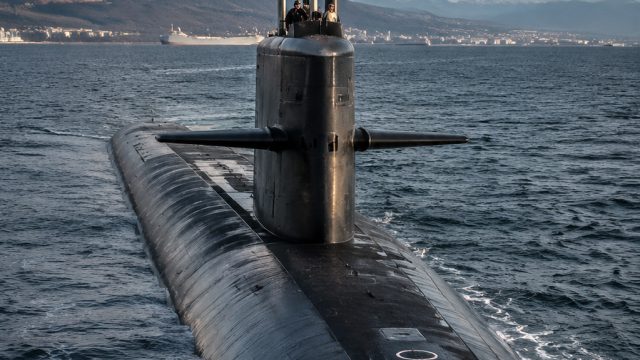
The Canadian government stands at a pivotal moment in its maritime defense strategy as it approaches the critical decision of selecting a supplier for its new fleet of submarines. With the current vessels nearing the end of their operational lives, the implications of this procurement process extend far beyond mere military capacity.
Economic Impact of Submarine Procurement
As Ottawa gears up for this significant contract, estimated in the billions, the potential economic benefits are drawing considerable attention. These benefits are not just financial; they encompass job creation, advancements in technology, and the strengthening of domestic industries.
Job Creation and Industrial Growth
- Local partnerships: Both bidders are committed to engaging Canadian companies, which is expected to stimulate local economies.
- Skilled workforce development: The complex nature of submarine construction will necessitate training programs, creating a pathway for skilled labor.
- Supply chain enhancement: Investing in local suppliers can improve Canada’s defense supply chain, reducing dependency on foreign industries.
Strategic Challenges Ahead
Despite the promise of economic growth, the path to acquiring a new fleet of submarines is fraught with challenges. Experts warn that the rush to finalize contracts could overlook crucial long-term considerations.
Maintenance and Operational Readiness
- Long-term maintenance plans must be established to ensure that the submarines remain operational beyond their initial deployment.
- The necessity for ongoing training and support for personnel who will operate and maintain these complex systems is critical.
- Budget constraints may hinder the ability to sustain high operational standards over time.
Technological Advancements and Defense Readiness
The shift to a modern fleet represents an opportunity to incorporate cutting-edge technology. However, this advancement comes with its own set of challenges.
Integration of New Technologies
- Adapting to new systems will require significant retraining for existing personnel.
- Ensuring interoperability with allied forces is essential for operational effectiveness.
- Innovation in submarine technology can lead to enhanced capabilities, but must align with budgetary realities.
The Global Defense Landscape
As Canada navigates its procurement process, it is essential to consider the broader geopolitical context. The increasing importance of naval power in global defense strategies raises the stakes for this decision.
Competitive Bidding Environment
- With several international bidders interested in the Canadian contract, there is a pressure to secure the best deal.
- Potential partnerships with foreign companies may bolster technological exchanges but could complicate the domestic economic benefits.
- The balance between competitive pricing and quality must be carefully managed to avoid compromising national security.
Conclusion: A Delicate Balance
The upcoming decision regarding Canada’s submarine procurement encapsulates a multitude of factors that extend beyond military readiness. It serves as a critical junction where economic interests meet strategic defense objectives. As the government weighs its options, stakeholders must remain vigilant about both the immediate benefits and the long-term implications of their choices. The future of Canada’s maritime defense lies not just in acquiring advanced submarines, but in ensuring that the foundations for sustained operational success are firmly established.
