




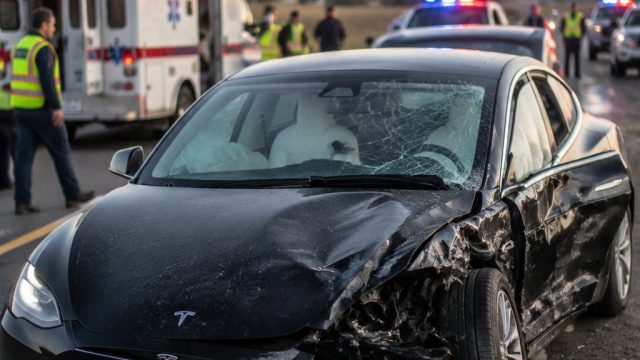
Recent events have sent shockwaves through the automotive world, placing Tesla’s Full Self-Driving (FSD) technology squarely in the crosshairs of public scrutiny. Following a tragic accident in Texas that resulted in the death of a 76-year-old woman, the company's FSD capabilities are being closely examined, raising critical questions about the safety of autonomous driving systems.
Overview of the Incident
On a seemingly ordinary day in Texas, a Tesla vehicle equipped with the company's FSD technology was involved in a serious crash. The vehicle reportedly collided with a home, claiming the life of an elderly resident. This incident has not only shocked the local community but also sparked a federal investigation into Tesla’s autonomous driving features.
The Role of FSD Technology
As Tesla continues to innovate with its FSD system, the incident emphasizes the need for clarity regarding the capabilities and limitations of autonomous driving technology. While many Tesla owners praise the convenience offered by FSD, the potential for misuse and the need for driver vigilance remain crucial concerns.
- Driver Responsibility: Despite advancements in technology, drivers are ultimately responsible for the operation of their vehicles.
- Technological Limitations: No vehicle, including those equipped with FSD, is infallible.
- Regulatory Scrutiny: The National Highway Traffic Safety Administration (NHTSA) is now investigating the incident.
Implications for Tesla and the Industry
This tragic incident has broader implications not just for Tesla but for the entire automotive industry. As more companies venture into the realm of autonomous vehicles, the balance between innovation and safety will come under increasing pressure.
What This Means for Tesla
For Tesla, this incident could lead to significant ramifications:
- Brand Reputation: Tesla has built its brand around cutting-edge technology; incidents like these could erode consumer trust.
- Regulatory Actions: Increased scrutiny from regulators may result in stricter standards for autonomous vehicle technology.
- Legal Liabilities: Potential lawsuits could arise from incidents involving FSD, impacting Tesla's financial standing.
What Can Be Learned from This Incident?
As discussions around Tesla’s FSD technology continue, several key takeaways emerge that could shape the future of autonomous vehicles:
1. Enhancing Public Awareness
Educating the public about the capabilities and limitations of FSD is essential. Clear communication can help mitigate risks associated with over-reliance on technology.
2. Strengthening Regulations
As technology evolves, regulations must keep pace. Striking a balance between innovation and safety should be a top priority for governing bodies.
3. Ongoing Research and Development
Investing in research to enhance the reliability and safety of autonomous systems is crucial. This includes refining algorithms to better predict and respond to complex driving scenarios.
Conclusion: A Call for Responsibility
The tragic accident in Texas serves as a poignant reminder of the responsibilities that come with advanced driving technology. While Tesla's FSD offers remarkable potential, it is imperative that both manufacturers and consumers recognize the limits of such systems. The industry must learn from this incident to foster a safer future for all road users.
