




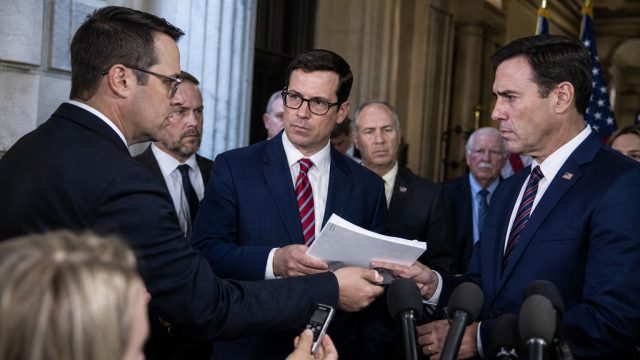
As geopolitical tensions continue to rise, the recent proposal from former President Trump for an $88 billion funding request has ignited discussions regarding the future of U.S. foreign policy. This request, primarily directed toward military engagement, has stirred considerable debate within the halls of Congress, particularly as skepticism looms among GOP members about the nature and necessity of the conflict, particularly with Iran.
The Context of the Funding Proposal
This request arrives at a critical moment when the U.S. is reassessing its military expenditures and foreign engagements. Trump's proposal is aimed at fortifying U.S. military presence and capabilities abroad, particularly in the Middle East. Given recent tensions, such as nuclear negotiations and regional conflicts, the need for substantial military funding is being framed as not just an option, but a necessity.
The Allocation of Funds
- Military Enhancements: A large portion of the funds will be allocated for upgrading military equipment and technology.
- Operational Costs: The budget also covers the costs associated with ongoing military operations and troop deployments.
- Intelligence and Cybersecurity: Significant investments are planned to enhance U.S. intelligence capabilities and cyber defenses.
Bipartisan Support: A Distant Dream?
While Trump's administration has made a bold move, obtaining bipartisan support for such a substantial request appears challenging. Many lawmakers are prioritizing domestic issues over foreign military expenditures.
The GOP's Position
Within the Republican Party, there are growing concerns regarding the continued military engagement in Middle Eastern conflicts. As discussions unfold, several influential members of Congress are advocating for a more restrained foreign policy approach, one that emphasizes diplomacy over military solutions.
The Stakes for U.S. Foreign Policy
The implications of this funding request stretch beyond just the financial aspect. U.S. foreign policy is at a pivotal crossroads, and how Congress decides to respond could set a precedent for future military engagements. By approving, rejecting, or modifying this request, lawmakers will signal their stance on U.S. involvement in global conflicts.
Potential Outcomes
- Increased Military Presence: Approval may lead to a more robust military footprint in regions of conflict.
- Shift in Diplomatic Strategy: Rejection could prompt a shift toward more diplomatic efforts rather than military action.
- Impact on Future Budgets: The outcome may influence how future budgets are crafted concerning foreign diplomacy and military readiness.
Conclusion: A Call to Action
As Congress grapples with this significant funding proposal, it is imperative for stakeholders, including citizens, business leaders, and policymakers, to engage in the dialogue surrounding U.S. foreign policy. The decisions made in the coming weeks will not only impact military strategy but will also reflect the values and priorities of the nation. As we navigate these turbulent waters, understanding the implications of military funding requests has never been more crucial.
