




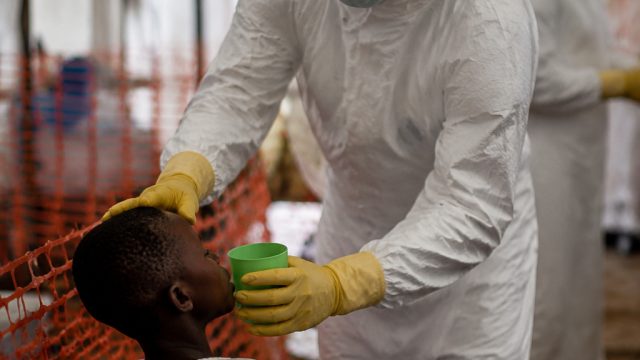
The Democratic Republic of Congo (DRC) is currently facing an unprecedented surge in Ebola cases, with the World Health Organization (WHO) reporting that this outbreak has already resulted in the highest number of cases in the first month compared to any previous outbreak. As of now, more than 1,000 cases have been confirmed, raising alarms among health officials globally. This article explores the implications of this outbreak and the urgent need for action.
Understanding the Current Outbreak
The ongoing Ebola outbreak in the DRC is alarming not only due to the sheer number of confirmed cases but also because of its potential to escalate further. The WHO's latest reports indicate that over 254 lives have already been lost to the virus, and many frontline health workers are among the infected. This situation poses a significant challenge for health authorities, as they grapple with containment strategies in a region already strained by conflict and poverty.
What Makes This Outbreak Unique?
- Rapid Spread: The speed at which the virus is spreading is unprecedented in DRC's history of Ebola outbreaks.
- Health Worker Infection: The high incidence of cases among health workers raises concerns about the effectiveness of protective measures in place.
- Geographic Challenges: The remote locations of many communities hinder rapid response and treatment efforts.
Global Implications of the DRC Ebola Outbreak
The ramifications of this outbreak extend beyond the DRC's borders. As the virus spreads, the potential for an international health crisis looms large. Global health governance and international cooperation are critical in preventing further outbreaks. The WHO emphasizes the importance of immediate action, including:
Key Strategies for Containment
- Enhanced Surveillance: Implementing more robust monitoring systems to track the spread of the virus.
- Vaccination Campaigns: Accelerating access to Ebola vaccines for at-risk populations.
- Public Health Education: Informing communities about prevention measures and recognizing symptoms early.
The Role of the International Community
The international community's role is paramount in addressing this health crisis. Through funding, logistical support, and mobilizing healthcare personnel, countries can bolster the DRC's response capabilities. Notably, non-governmental organizations (NGOs) and international health agencies are already stepping up efforts to assist in containment and treatment initiatives.
Collaborative Efforts Needed
- Partnerships: Collaboration between governments, NGOs, and health organizations is critical to streamline resources.
- Funding: Increased financial contributions to support healthcare infrastructure and training programs.
- Research: Investing in research for better treatment options and vaccine development.
Conclusion: A Call to Action
The escalating Ebola outbreak in the Democratic Republic of Congo is a stark reminder of the vulnerabilities faced by regions prone to infectious diseases. With the number of cases reaching new heights, immediate global action is essential to mitigate the crisis. As individuals and businesses, we must stay informed and support initiatives aimed at combating this outbreak. Together, we can contribute to a safer, healthier world.
