




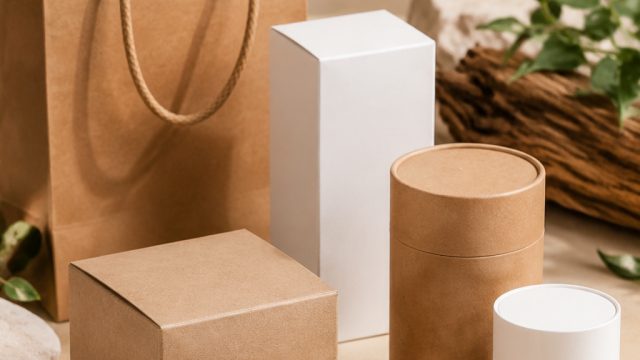
The cosmetic industry is incredibly competitive, and the first interaction a consumer has with a product often occurs before they even open the box. As the packaging conveys quality, sustainability, and brand values, choosing the right type of paper for cosmetic packaging has never been more critical. In this article, we will explore the various types of paper materials used in cosmetic packaging and why these choices impact brand perception and consumer trust.
The Role of Paper in Brand Image
When consumers encounter cosmetic products, their judgment about quality can largely be based on the packaging. The type of paper used not only protects the product but also communicates the brand's values and aesthetics.
Types of Paper Used in Cosmetic Packaging
- Coated Paper: This type of paper is finished to create a smooth surface, ideal for high-quality printing. Its glossy finish enhances colors and provides a premium look, making it popular among luxury brands.
- Uncoated Paper: Offering a more natural feel, uncoated paper provides better texture and is often used for eco-friendly brands. It can also give a rustic or artisanal look that appeals to certain consumer segments.
- Kraft Paper: Known for its durability, Kraft paper is an excellent option for companies emphasizing sustainability. It’s biodegradable and recyclable, aligning with the values of environmentally conscious consumers.
- Specialty Paper: Some brands opt for unique paper types, such as metallic or textured papers, to stand out on the shelf. These materials can enhance tactile experiences and attract attention.
Consumer Expectations and Trends
Today’s consumers are increasingly aware of sustainability and quality. They not only seek effective products but also prefer brands that reflect their values. Here’s how paper choice aligns with current trends:
1. Sustainability Matters
As eco-consciousness rises, brands are opting for sustainable paper sources. Using recycled or responsibly sourced paper can significantly enhance a brand's reputation. Companies that emphasize their commitment to sustainability often see improved consumer loyalty and engagement.
2. Brand Differentiation
In a crowded marketplace, standing out is essential. Unique paper choices can help brands create a distinctive identity. For instance, using textured or specialty paper can provide an added tactile experience that consumers remember.
Practical Considerations for Choosing Paper
Besides aesthetics and branding, there are practical aspects to consider when selecting paper for cosmetic packaging:
- Printability: The ability of the paper to hold ink and color vibrancy is crucial. High-quality printing results contribute significantly to overall product appeal.
- Durability: The packaging needs to protect the product within. Strong, resistant paper can prevent damage during transit and handling.
- Cost: While premium paper can offer better quality, it’s essential to balance quality with cost-effectiveness. Brands should assess their budget against the desired packaging impact.
Conclusion: The Future of Cosmetic Packaging
In summary, the choice of paper in cosmetic packaging plays a vital role in shaping consumer perceptions and brand image. As the industry evolves, staying informed about the latest trends in sustainable materials and innovative paper types is critical for businesses aiming to thrive. Brands that prioritize quality and sustainability in their packaging are likely to win consumer trust and loyalty in the long run. For insights into optimizing your overall packaging strategy, visit ulvesta.com today!
