




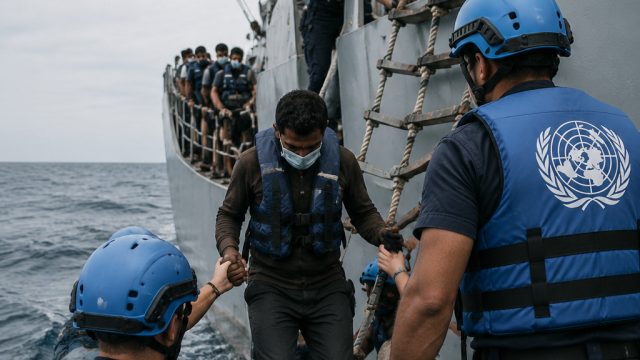
As tensions escalate in the Persian Gulf, the United Nations has announced an urgent plan to evacuate sailors stranded in the Strait of Hormuz. This decision comes in light of a growing maritime safety crisis, with multiple vessels unable to navigate due to geopolitical conflicts and increasing security threats.
The Current Situation in the Strait of Hormuz
The Strait of Hormuz is a critical waterway through which a significant portion of the world's oil supply traverses. Recent developments, including military posturing and disputes between Iran and the United States, have raised alarms regarding the safety of maritime operations in this region. With a notable increase in tensions, many ships and their crews have found themselves trapped, unable to leave the area due to fears of attacks or seizures.
UN’s Role in Maritime Safety
The UN's intervention highlights the organization's commitment to ensuring the safety of international shipping lanes. In conjunction with maritime regulatory bodies, the UN is coordinating efforts to facilitate the safe evacuation of seafarers caught in dangerous conditions. This initiative not only aims to protect lives but also seeks to restore confidence in maritime security.
Evacuation Plans Underway
- Assessment of Vessels: Teams are evaluating the safety of each vessel stranded in the region.
- Logistical Coordination: The UN is working with local authorities and international maritime organizations to arrange transportation for the sailors.
- Security Measures: Enhanced security protocols are being established to protect evacuation efforts from potential threats.
Implications for Global Shipping
The inability of vessels to operate safely in the Strait of Hormuz can have far-reaching consequences for global trade. The potential for increased shipping costs, delays in oil delivery, and heightened insurance premiums are all concerns that stakeholders in the shipping industry must now address. As the situation unfolds, businesses worldwide are closely monitoring how these developments could impact their operations.
Industry Response
In response to the growing threat, several shipping companies are reevaluating their routes and protocols. Many are opting for alternative pathways, which may prove more costly but are viewed as safer under current conditions. The industry is also advocating for increased diplomatic efforts to de-escalate tensions in the region.
Conclusion: Why This Matters Now
The ongoing crisis in the Strait of Hormuz serves as a stark reminder of the fragile nature of maritime safety amid geopolitical tensions. As the UN implements its evacuation plan, it emphasizes the need for collaborative efforts in ensuring the protection of sailors and the uninterrupted flow of trade. The ramifications of these actions will be felt far beyond the Persian Gulf, impacting global markets and trade dynamics. Stakeholders, from shipping companies to consumers, must stay informed to navigate this complex situation effectively.
